Total Cash Invested in a Rental Property: What Belongs in the Bottom of the Formula
Total cash invested in a rental property is more than the down payment. See the full line by line tally on a $500,000 rental, and what to leave out.
By the CashOnCashReturnCalculator.com team
Total cash invested in a rental property is every dollar that leaves your account to buy it and get it rented: down payment, loan points and lender fees, closing costs, prepaid escrows, and rehab or furnishing before the first tenant. It sits at the bottom of the cash on cash return formula, so anything you leave out inflates the return.
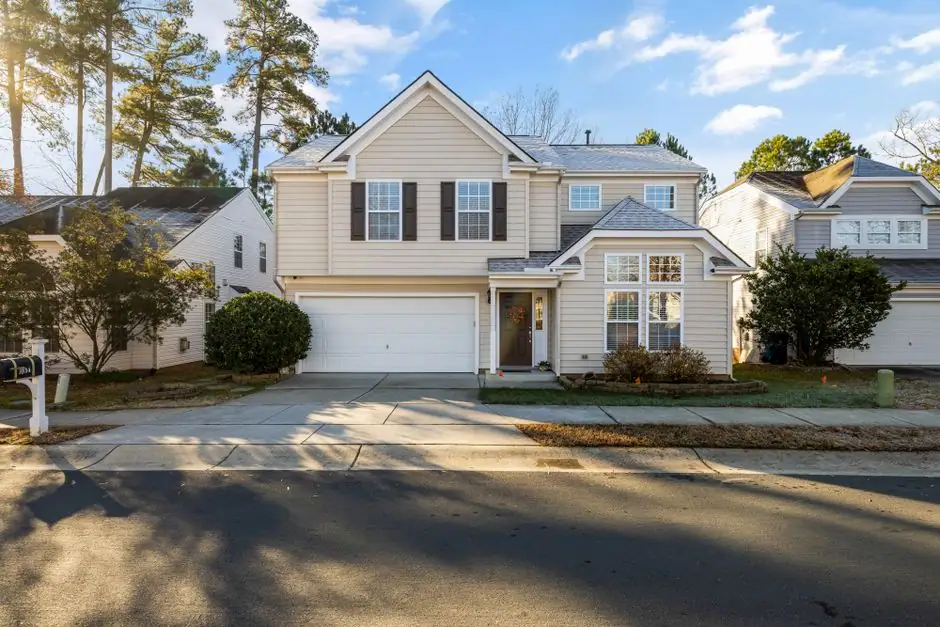
Most investors enter the down payment and stop there. On the example below, that one habit turns a 6.3% deal into a 7.6% one.
For the whole calculation in order, read the cash on cash return formula step by step. This page covers only the denominator.
What total cash invested means in the cash on cash return formula
Cash on cash return is annual pre-tax cash flow divided by total cash invested. The top line is a year of money. The bottom line is a one time number: the cash you were out of pocket by the time the property was running.
One test sorts most items. Did the money come from your account rather than the loan, and did it go toward buying or stabilizing the property? Then it belongs in the tally.
The simple version of how the calculation runs takes two inputs. $12,000 of annual cash flow on $150,000 invested is 8%. Getting that second input right is most of the work.
Down payment, loan points and lender fees
The down payment is the largest piece of a financed deal. Investment property loans usually ask for more down than owner occupied loans, which is why 20% to 25% is a common planning range.
Points come next. One point is 1% of the loan amount, paid up front to buy a lower rate. On the $375,000 loan in the standard example, each point costs $3,750.
Then there are the lender’s own charges: origination, underwriting, credit report, appraisal, flood certification. Your Loan Estimate lists them line by line. They are cash, and they count.
Closing costs, prepaid taxes and insurance escrows
Closing costs cover title search, title insurance, escrow or attorney fees, recording and transfer taxes, and a survey where one is required. Totals swing by location, because transfer taxes and title practice are set locally. Two to five percent of the purchase price is the usual planning range, with high transfer tax states at the top of it.

Escrows are the quiet line. At closing the lender normally collects the first year of hazard insurance plus some months of property tax to seed an escrow account. How many months depends on your closing date and the county’s billing cycle.
That money left your account, so it belongs in the tally. Some investors exclude prepaid escrows instead, to avoid counting the same taxes twice against the first year. Either convention is defensible. Use the same one on every deal you compare.
Rehab, make-ready and furnishing costs
Work done before the first rent check is part of the purchase, not part of operations. In the standard example that is $10,000 of make-ready: paint, flooring, locks, a couple of appliances, cleaning.

Scope decides the size of this line. A cosmetic refresh might run a few thousand. A unit that needs a roof, HVAC and a kitchen can cost more than the down payment did.
Furnishing counts the same way. A short term rental needs beds, linens, a stocked kitchen and a lockbox before night one, and that bill can add tens of thousands to the denominator.
Keep the receipts split. A repair is deductible now, while a capital improvement is added to your basis and depreciated over time. IRS Publication 527 draws that line. Both come out of the same checking account, so both count as invested cash, even though your tax return treats them differently.
Do cash reserves count as invested cash?
Usually no. A reserve is money set aside for future repairs and vacancy, and it has not been spent on the property yet. Most underwriters leave it out of the denominator and treat reserves as a separate requirement on top of the cash to close.
There is a fair argument the other way. That cash is parked and unavailable, so a return calculated without it overstates what your money is actually doing. If you include reserves, include them on every deal and say so when you quote the number.
What to leave out: financed costs and seller credits
Anything the loan paid for is not your cash. Roll closing costs into the mortgage and they leave the denominator, then show up in the monthly payment instead.
Subtract credits as well:
- Seller credits toward closing costs or repairs.
- Lender credits bought with a higher rate.
- Rehab funded by a construction draw rather than your savings.
- Cash returned to you at closing through a refinance.
A tenant’s security deposit is not yours either. You hold it, you usually owe it back, and it never belongs in cash invested.
A worked cash invested tally on a $500,000 rental
The site’s standard example is a $500,000 rental renting for $5,200 a month, with $10,000 of rehab, $6,000 of property tax and $2,400 of insurance. Put 25% down, pay 3% closing costs, and finance $375,000 at 7.25% over 30 years.
| Line | Amount |
|---|---|
| Down payment, 25% of price | $125,000 |
| Closing costs at 3% | $15,000 |
| Make-ready rehab | $10,000 |
| Total cash invested | $150,000 |
Net operating income is $40,210 and debt service is $30,698, so annual cash flow is $9,512. Divide by $150,000 and cash on cash return is about 6.3%.
Stop at the down payment and the same house reads $9,512 divided by $125,000, or 7.6%. Nothing about the property improved. The denominator just lost $25,000.
Push closing costs to 5% of the price, which happens where transfer taxes are steep, and cash invested becomes $160,000. The return falls to 5.9% on identical rent.
Check your own tally
Build the denominator from your Closing Disclosure and your rehab invoices, then enter it in the cash on cash return calculator on the home page. It shows the cash invested line beside cash flow, so you can see which input is moving the answer.
Frequently asked questions
What if I buy the rental with cash instead of a loan?
Then total cash invested is the full price plus closing costs plus rehab. On the standard example that is $525,000, and cash flow equals net operating income of $40,210 because there is no mortgage payment. Cash on cash return is 7.7%. The all cash figure is higher here because the loan costs more than the property yields.
Do the appraisal and inspection fees count?
Yes. An appraisal, an inspection, a sewer scope and a survey are all cash you spend to get the property closed, so they go in the denominator. Fees from deals you inspected and walked away from do not belong to this property. Track those as a business cost rather than part of this return.
Does a cash out refinance change total cash invested?
Yes. If a refinance returns part of your money, subtract it from the tally and run the numbers again. Put $150,000 in, pull $100,000 back out, and your invested cash is $50,000. The new mortgage payment is larger, so cash flow falls at the same time. Both lines move, so recalculate rather than keeping the old return.
Should I count my own labor on the rehab?
No. Cash on cash return tracks cash, and your weekends were not cash. Count materials and anything you paid a contractor. Just remember the return flatters you compared with a buyer who hired the work out, so if you plan to pay for labor on the next deal, price it in.