Rental Property Operating Expenses: What to Subtract Before You Calculate Cash on Cash Return
Rental property operating expenses decide your cash flow. See which costs to subtract, realistic allowances for each, and why the mortgage stays out.
By the CashOnCashReturnCalculator.com team
Rental property operating expenses are every recurring cost of running the property except the mortgage: property taxes, insurance, HOA dues, management, maintenance, turnover, owner-paid utilities and a reserve for big replacements. Subtract them from the rent you actually collect, and what is left is the annual cash flow that sits on top of a cash on cash return.
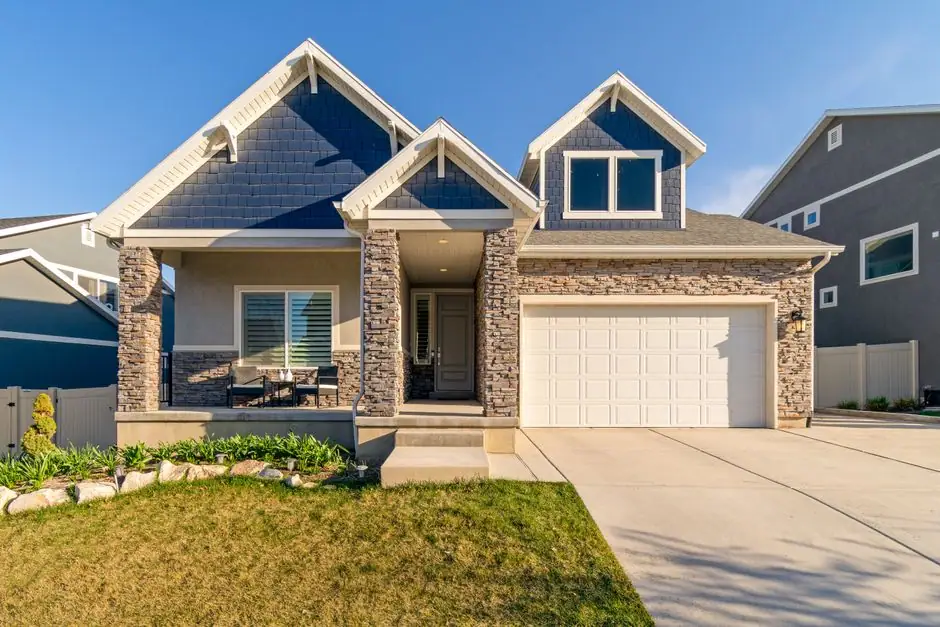
Miss one line and the deal looks better than it is. Skipping the management fee on a rental that collects $5,200 a month hides about $4,700 a year, which is half the cash flow in the worked example below.
This page is the list itself. For the order the whole calculation runs in, see how the cash on cash return formula works step by step.
Which expenses belong in a cash on cash return calculation
An operating expense is a cost you need to pay to keep the property rented. The test takes one question: would you still owe it if you had bought the property with no loan? If the answer is yes, it belongs here.
Six groups cover almost every residential rental:
- Property taxes.
- Landlord insurance, plus flood or wind cover where it is required.
- HOA or condo dues.
- Property management.
- Maintenance, repairs and turnover costs.
- Owner-paid utilities and services: water, sewer, trash, landscaping, snow removal, pest control.
Capital reserves sit just outside that list and get their own section, because they are not quite the same thing.
Gross rent vs effective rent: vacancy and credit loss
Start with gross income, which is monthly rent times twelve plus anything else the property collects: parking, laundry, storage, pet rent, utility reimbursements.
That figure assumes every unit is full every day of the year. No rental does that forever, so subtract an allowance for empty months and unpaid rent. Long-term rentals in stable markets are commonly underwritten at 5%. Student housing, lower-priced units and high-turnover markets run closer to 8% to 10%.
What is left is effective gross income, the money you expect to bank. Vacancy rates move by region and by quarter, and the Census Bureau publishes them in its Housing Vacancies and Homeownership survey, which beats picking a flat number out of the air.
Fixed costs: property taxes, insurance, HOA
Fixed costs arrive whether the house is full or empty. They are the ones you can price before you own anything.
Property tax deserves the most care. Many counties reassess at the sale price, so the seller’s bill can be far below yours, especially on a property held for twenty years. Use the number you expect in year one.
Insurance means a landlord policy, not the homeowner’s policy quoted to an owner-occupant. Coverage for flood or wind is priced on top where the lender or the location calls for it.
HOA or condo dues are published, which makes them easy, but special assessments are not. A $400 a month fee is $4,800 a year straight off the top.
Variable costs: management, repairs, turnover, utilities
Variable costs scale with the rent you collect, so quote them as percentages and convert to dollars after vacancy.

Property management runs about 8% to 10% of collected rent for long-term rentals and 15% to 30% for short-term, plus a leasing fee on each new tenant. Include it even when you plan to self-manage.
Maintenance and repairs commonly get 5% to 10% of collected rent. Older houses with original plumbing and old wiring sit at the top of that band or above it.
Turnover is its own cost: paint, cleaning, new locks, listing fees and the empty weeks between tenants. A deposit does not cover ordinary wear, so do not count on it.
Capital reserves are not repairs
A roof is not a repair. Roofs, furnaces, water heaters, siding and appliances are capital expenditure items that fail once a decade or two and cost thousands when they do.
Set aside 5% to 10% of collected rent so the year the HVAC dies does not erase three years of cash flow. The IRS draws a similar line for tax purposes, where repairs are deducted in the year you pay and improvements are capitalized and depreciated, explained in Publication 527.
Why the mortgage payment sits outside operating expenses
The mortgage payment is debt service, not an operating expense. Operating expenses describe the building. Debt service describes your financing. Keeping them apart is what makes net operating income comparable between a cash buyer and a borrower on the same house.
The order is fixed. Effective gross income minus operating expenses gives NOI. NOI minus debt service gives annual cash flow. Only then do you divide by cash invested.
Closing costs, loan points and pre-tenant rehab are not operating expenses either. They are one-time outlays that go into the denominator, the cash invested.
Operating expense ratio: a sanity check on your numbers
Divide total operating expenses by effective gross income. That ratio tells you fast whether you forgot something.
Many long-term rentals land between 35% and 50%, and the old 50% rule of thumb says half of collected rent goes to expenses before any loan payment. A list that comes out at 15% is missing lines, not finding a bargain.
The expense list applied to a single-family rental
The standard example here is a $500,000 house renting at $5,200 a month, with $10,000 of make-ready work, $6,000 of property taxes and $2,400 of insurance.
| Line | Amount |
|---|---|
| Gross scheduled income | $62,400 |
| Vacancy at 5% | ($3,120) |
| Effective gross income | $59,280 |
| Property taxes | ($6,000) |
| Insurance | ($2,400) |
| Maintenance at 5% | ($2,964) |
| Capital reserves at 5% | ($2,964) |
| Management at 8% | ($4,742) |
| Total operating expenses | ($19,070) |
| Net operating income | $40,210 |
Operating expenses are 32% of effective gross income, below the usual band because the rent is high against the price and there is no HOA fee.
With 25% down over 30 years at 7.25%, debt service is $30,698 and cash flow is $9,512. On $150,000 invested, that is a cash on cash return of about 6.3%.
Compare that with a shortcut entry of $12,000 of cash flow on $150,000 invested, which prints 8%. The 8% is only as honest as the expense list behind the $12,000.
Build your own list, then run it
Take the listing in front of you, fill in each line above from real bills and real quotes, and keep the mortgage separate until the end. The cash on cash return calculator on the home page runs every step and shows each intermediate figure, so you can see which expense line is driving your result.
Frequently asked questions
How much should I budget for rental property operating expenses?
Budget line by line, then check the total against collected rent. Taxes and insurance come from actual bills. Management runs 8% to 10% of collected rent, maintenance 5% to 10%, and reserves another 5% to 10%. Add HOA dues and any utilities you pay. Most long-term rentals land somewhere between 30% and 50% of what they collect.
Should I include a management fee if I manage the property myself?
Include it. Your time has a cost, and a self-managed return is not comparable to a managed one. If you want to see both, run the number twice and label the second one clearly. Underwriting with the fee in is the safer habit, because the day you hand the property to a manager your cash flow drops by that amount.
Do property taxes change after I buy the rental?
Often yes. Many counties reassess at the sale price, so a seller's tax bill can understate yours badly on a property held for decades. Check how the county assessor handles a transfer before you underwrite anything. Use the bill you expect to pay in your first year of ownership, not the figure printed on the listing sheet.
Is vacancy an operating expense?
No. Vacancy and credit loss reduce income rather than add cost, so they come off gross rent first to give effective gross income. Operating expenses are subtracted after that. The difference matters for the expense ratio: counting vacancy as an expense inflates it and makes a normal property look costly to run.